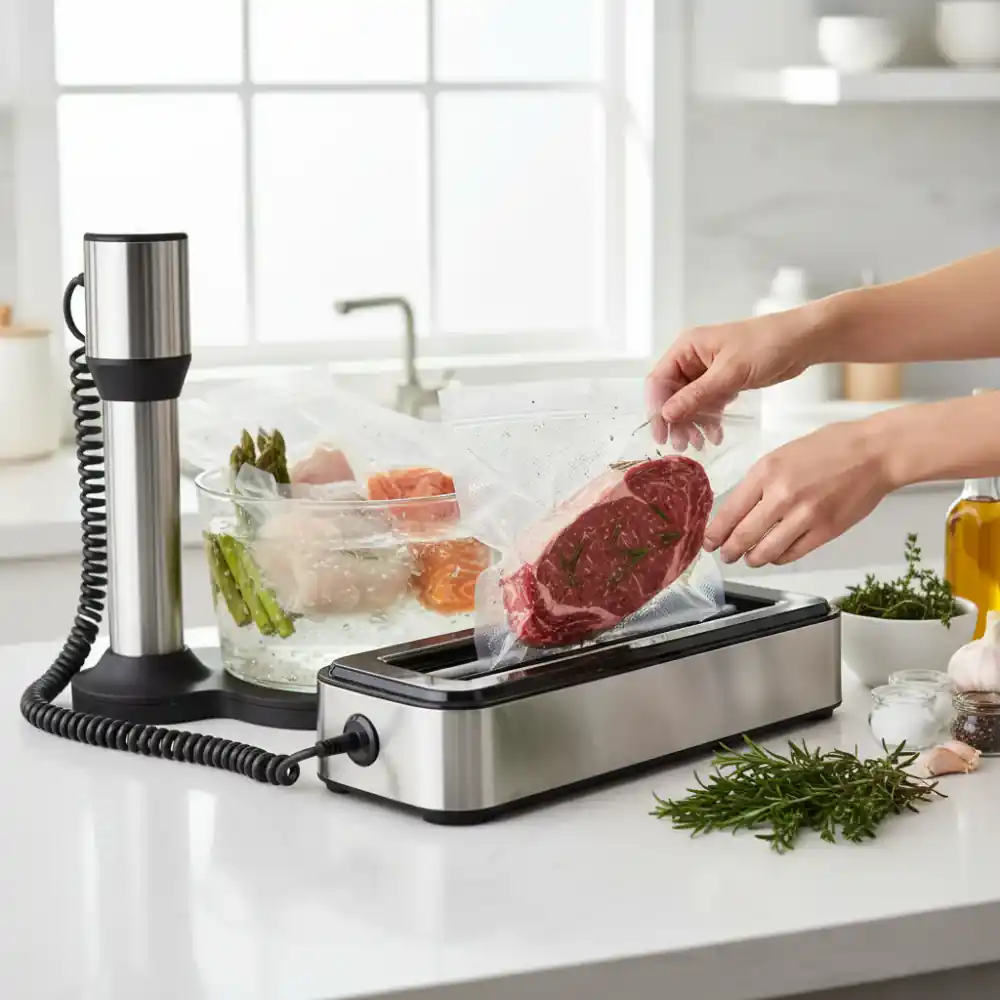
Launch pattern
First service with a sous vide station
A one-shift checklist for bringing a new sous vide setup online with clear roles for prep, expo, and dish.
- Bath preheat and calibration steps.
- Labeling, rack layout, and timing conventions.
Precision cooking knowledge hub
Practical guides, maintenance routines, and menu inspiration built for high-volume kitchens using commercial sous vide and temperature control systems.
Service consistency
Cut send-backs with repeatable doneness across rushes.
Line efficiency
Shift more work to prep with safe, held proteins.
Starter bundle
"First 30 Days with Sous Vide" toolkit
Kitchen playbooks
Use these playbooks to roll out new stations, retrain teams, or add sous vide to existing prep without slowing down the line.
Launch pattern
A one-shift checklist for bringing a new sous vide setup online with clear roles for prep, expo, and dish.
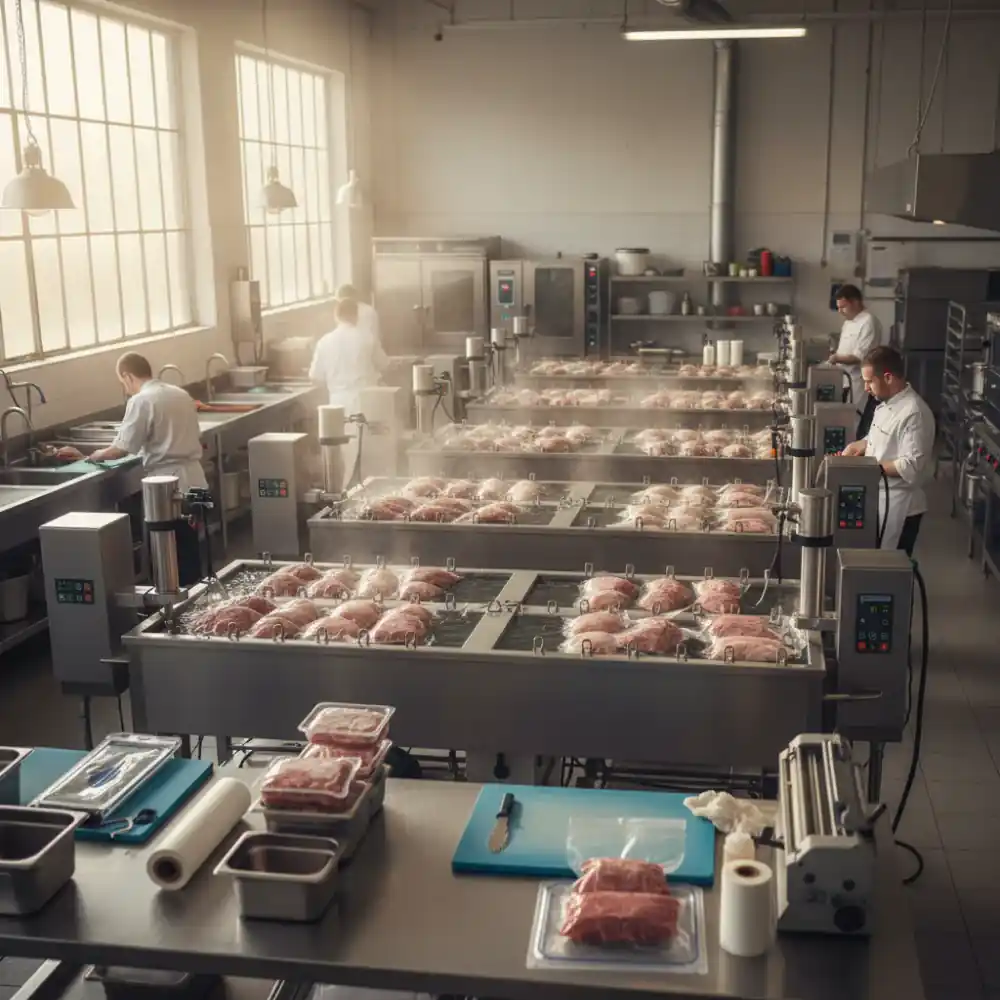
High-volume
Plan, portion, and retherm for events where a few minutes of delay can throw timing off for hundreds of plates.
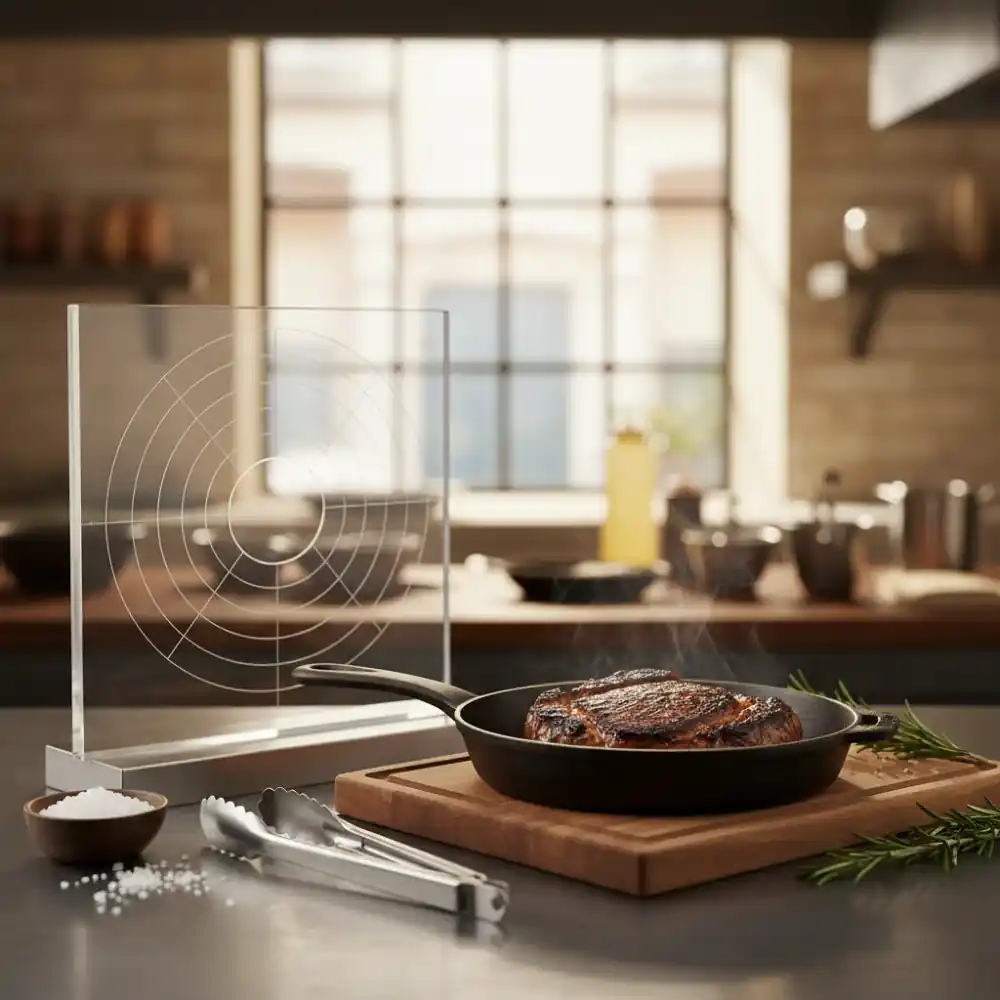
Finishing station
Build a finishing lane that keeps texture and color while tickets pile up, with clear timing for each protein.
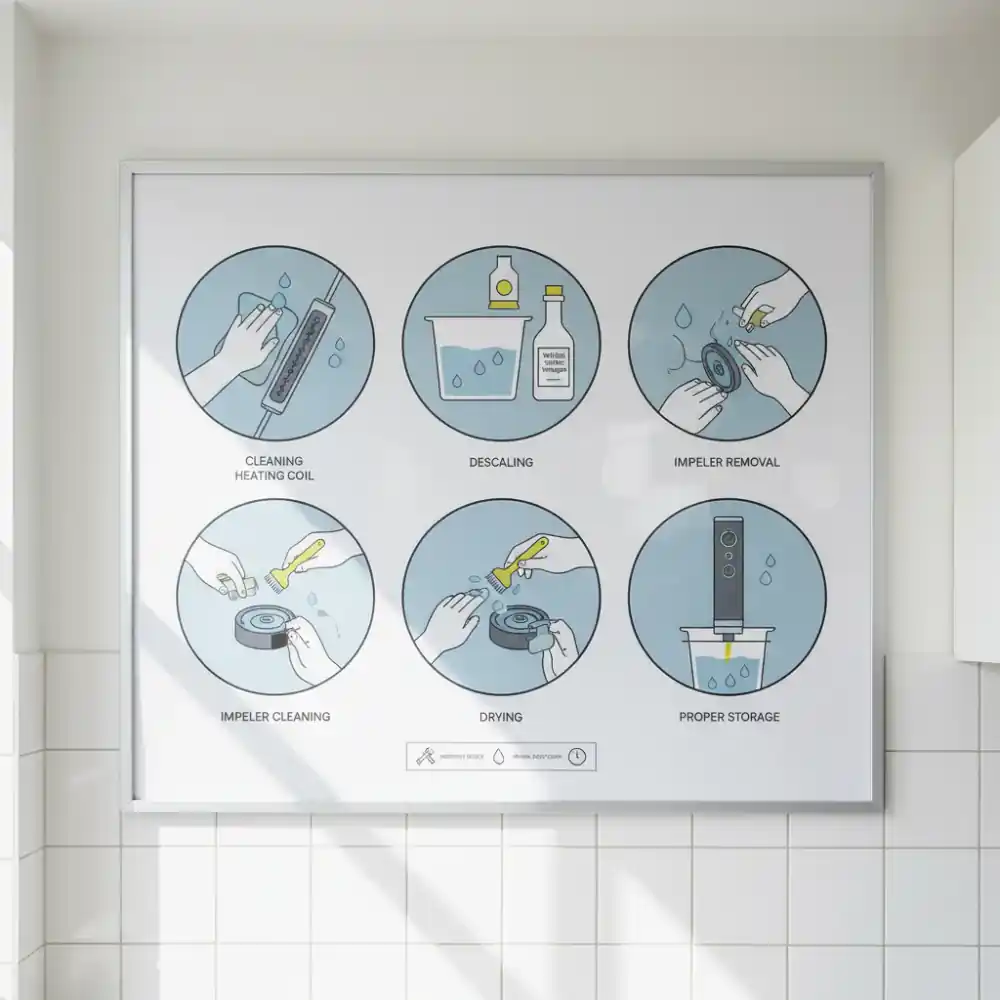
Care & uptime
Keep baths clean, probes accurate, and vacuum seals tight without adding friction to the shift. These checklists are written for prep cooks and leads, not just engineers.
Quick visual and temperature checks that fit inside your usual open/close routine.
A scheduled routine for descale, gasket care, and vacuum sealer upkeep.
Turn your maintenance routines into a quick wall reference your whole team can read in seconds.
Menu applications
These recipe frameworks are designed to survive the realities of service: long holds, sudden rushes, and rotating staff. Use them as baselines to adapt to your own sourcing and brand.
Time and temperature charts for chicken breast, pork shoulder, strip steak, salmon portions, and short ribs, each with recommended finishing methods and maximum safe holding windows.
Starches and vegetables that retherm cleanly in the bath or combi — think pomme purée, glazed carrots, and confit garlic — with guidance on bagging, fat content, and service finishing.
Example dishes that show how to combine sous vide components with on-the-fly garnishes: steak frites, salmon bowls, breakfast sandwiches, and banqueting plates with repeatable timing.
Download library
Export, print, or share these files with your staff. Each template is sized for back-of-house clipboards and line-of-sight notes.
Looking for a specific format or language? Use the contact form below to request a custom-ready checklist or training sheet for your team.
Laminated-ready sheet covering preheat, probe tests, and labeling before each service.
Estimate yields, bag counts, and bath capacity for events and banquets.
Outlines key safety, quality, and service points for new hires touching sous vide.
Troubleshooting
A quick reference for the issues we hear about most often when teams start scaling sous vide and temperature-controlled workflows.
Why does my bath say it is at temp but my core temps are low?
Circulation and loading are usually the culprits. Keep pouches in a single layer when possible, avoid blocking the circulator intake, and verify with a calibrated probe at the thickest part of the product. Our setup guide walks you through a simple load test.
How long can I safely hold proteins in the bath before service?
It depends on the protein, temperature, and packaging. Use our time-and-temp charts for conservative holding windows, and always follow your local regulations and HACCP plan. Chilling and reheating will usually give you more flexibility than holding for very long periods.
My sear is great, but the center is creeping up in temperature.
Reduce finishing time by drying more aggressively, working with hotter pans or planchas, and searing immediately before pickup. You can also finish in two stages: a quick sear, a brief rest, then a final flash just before service.
Kitchen-specific support
Tell us how your kitchen runs and which PrecisionCook Supply gear you are using. We will suggest a setup, maintenance routine, or training outline that fits your menu and volume.
Typical turnaround is 1–2 business days. For urgent equipment questions during service, call your distributor or service partner directly.


Culinary support team — former hotel, catering, and multi-unit chefs.